
Plug-and-play cell engineering
2026 – 2028
This project creates a new engineering system to add useful genes to cow cells, enabling cheaper, large-scale cultivated meat production.
Production platform: Cultivated
Technology sector: Cell line development

Project aims
Cultivated meat relies on growing animal cells in large bioreactor tanks, but today’s muscle cell lines are still difficult and expensive to grow at scale. They often need costly ingredients, don’t grow well in suspension, and can’t easily be given new traits that would make production more efficient. To overcome these limitations, this project will build a new, easy-to-use genetic engineering platform specifically for bovine satellite cells, which are commonly used to make cultivated beef.
The team’s approach uses a type of molecular scissor system called a recombinase. They will create special “landing-pad” cell lines that act like docking sites for new DNA. These landing pads will allow researchers to insert large genetic elements quickly, accurately, and repeatedly, without disturbing the rest of the cell. This will make it much easier to test and combine useful traits.
With this ‘plug-and-play’ platform in place, they will engineer improved cell lines with features that directly support scalable cultivated meat production. First, they will add genes that help cells grow in suspension instead of needing surfaces to attach to, a key requirement for industrial bioreactors. Next, they will demonstrate other valuable traits, such as the ability to trigger muscle formation at the right time, or to make certain amino acids themselves rather than relying on expensive media components.
All engineered cell lines, DNA vectors, and protocols will be shared openly with the global research community. By providing a standardized, modular toolkit for genetic engineering, this project aims to accelerate innovation across the cultivated meat sector and help make the production of beef cells more efficient, affordable, and scalable.
Principal Investigator
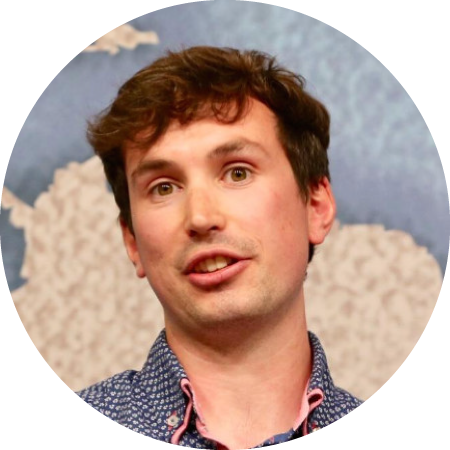
Dr. Joshua Flack
Assistant Professor, Biotechnology
TU Delft, Netherlands
Dr. Flack’s research group focuses on the engineering and evolution of animal cell lines with favourable properties for industrial scale biotechnologies, including cultivated meat. Prior to this, he worked as Head of Cell Biology at Mosa Meat.

Research Grant Program
Explore grant opportunities and GFI-funded projects that are driving innovation and breaking boundaries in alt protein research.