

The University of Guelph Alt Protein Project
The University of Guelph - UoG
50 Stone Rd E
Guelph,
Ontario
N1G 2W1
Canada
Founded 2026
About
Vision: To establish the University of Guelph as a global powerhouse for alternative protein innovation, where interdisciplinary research and student-led entrepreneurship transform sustainable bioprocessing into a food-secure future for all.
Mission: To build a vibrant, inclusive community hub by catalyzing open-access research, advocating for specialized curricula, and empowering students across engineering, science, and business to turn sustainable food concepts into market-ready solutions.
The University of Guelph is uniquely positioned to be an exceptional fit for the Alt Protein Project due to its strong interdisciplinary foundation, world-class research ecosystem, and deep integration with Canada’s agri-food innovation sector. The College of Engineering (CoE) at the University of Guelph offers an undergraduate program in Biological Engineering with a dedicated area of emphasis in Food Engineering, accredited by the Canadian Engineering Accreditation Board. This area of emphasis equips students with the technical expertise required to translate alternative protein innovations from laboratory-scale concepts into scalable, industrial solutions. Engineering students play a critical role in bridging innovation and application by optimizing bioprocesses, improving efficiency, and ensuring food safety at scale. Beyond engineering, the University of Guelph’s Department of Food Science at the Ontario Agricultural College (OAC) supports a full innovation pipeline from food formulation and product development to sensory evaluation and consumer acceptance. In addition, facilities such as advanced incubation hubs, sensory laboratories, and the Advanced Analytical Centre at the College of Biological Science (CBS) provide access to state-of-the-art instrumentation, supporting high-level research and cross-disciplinary collaboration at the University of Guelph.
The university also actively fosters innovation and entrepreneurship by hosting dedicated consultative teams that guide researchers and students from idea to impact, while the John F. Wood Centre for Business and Student Enterprise provides mentorship, experiential learning, and venture-building support. These mechanisms empower students to be drivers of institutional change and leaders in emerging sectors like alternative proteins. Successful initiatives such as BerryBug Bites and Crack It Crackers, developed through the Project SOY Plus competition with support from Food from Thought, highlight this ecosystem in action. In these projects, the students created high-protein, shelf-stable foods using underutilized ingredients like insect protein and prairie berries to deliver sustainable, nutritionally dense alternatives. Similarly, Simple Fermentation Food, supported by the John F. Wood Centre, exemplifies how doctoral research can evolve into entrepreneurial ventures. Together, these examples showcase a strong culture of innovation that encourages students to transform research into impactful, market-ready solutions.
Strategically located in Guelph, which is widely recognized as Canada’s agri-food innovation hub, the university benefits from proximity to key organizations such as the Ontario Ministry of Agriculture, Food and Rural Affairs (OMAFRA), Canadian Food Inspection Agency, and the Public Health Agency of Canada, housed in Guelph. The region hosts over 40 research institutes, 30 agri-innovation associations, and approximately close to 1,500 companies and entrepreneurs in the agri-food sector, creating unparalleled opportunities for collaboration, commercialization, and industry engagement. With strong programs spanning biological engineering, biological science, plant biology, and food science, combined with robust infrastructure and a highly motivated student and research community, the University of Guelph offers a dynamic and supportive environment for advancing alternative protein innovation. It is a place where students can leverage established institutional mechanisms to drive scientific discovery, engineering solutions, and real-world impact in the alt protein space.
Learn more about our work
This review article provides a critical perspective on precision fermentation bringing together key bioprocess considerations such as bioreactor design, strain development, substrate selection, scale-up, and downstream processing.
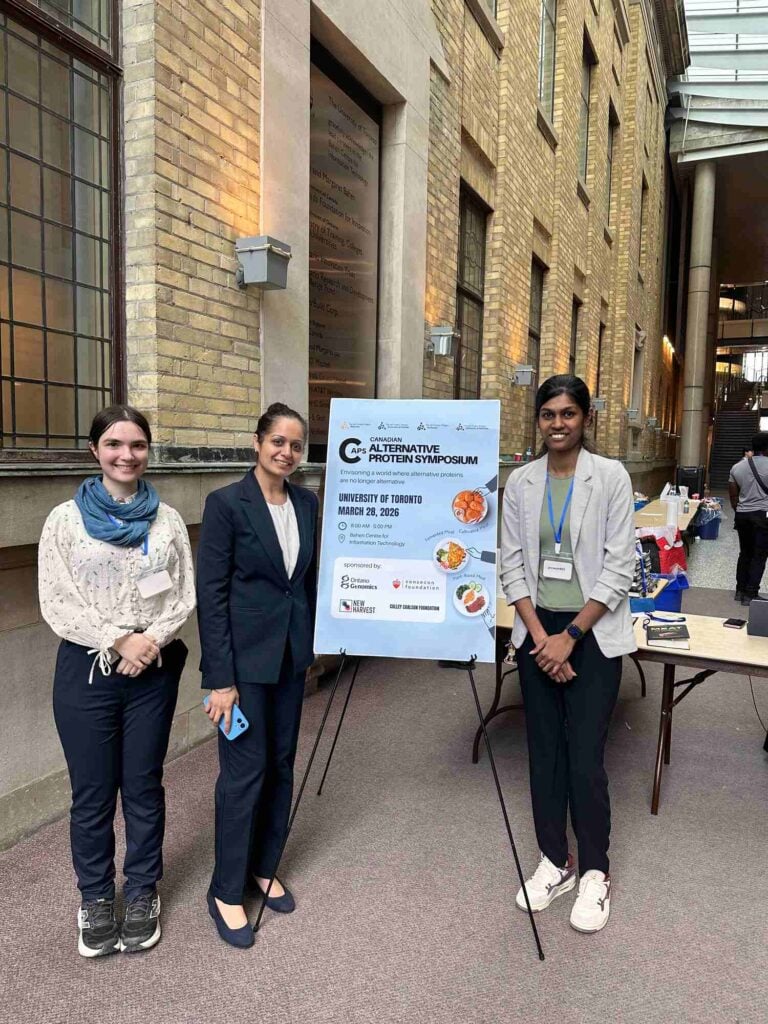
Canadian Alt Protein Symposium 2026 participation from University of Guelph members.
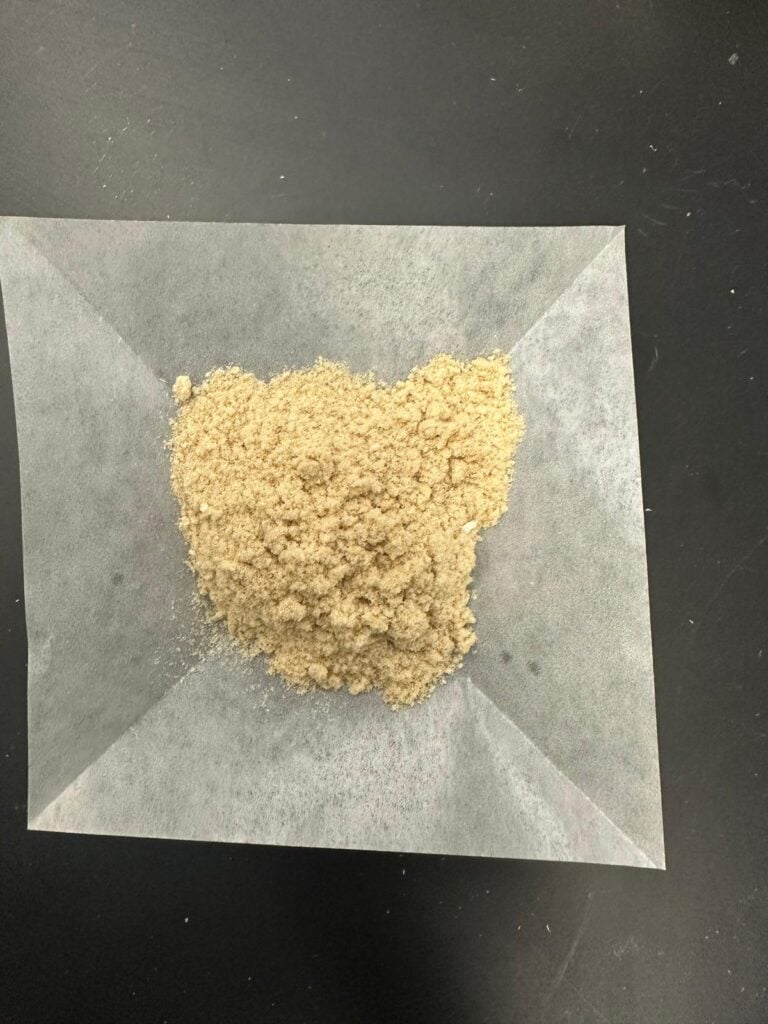
Fungal mycelium-based alternative protein produced by fermentation.